8 hr
Phang Nga Bay Bioluminescent Plankton & Sea Canoe Adventure
Paddle through hidden lagoons and witness glowing plankton illuminating the water on this magical evening tour
Reserve
Paddle through darkness as every stroke ignites the water, nature's light show beneath limestone karsts
Hand-picked by our editors — only the best 6 experiences from 18 reviewed
Verified partners for Phang Nga Bay Bioluminescent Plankton tours, free cancellation where available, and instant confirmation on every booking.
8 hr
Paddle through hidden lagoons and witness glowing plankton illuminating the water on this magical evening tour
Reserve
24 hr
Paddle through sea caves at dusk and witness nature's light show with glowing plankton and fireflies
Reserve
10 hr
Paddle through limestone caves, witness bioluminescent plankton, and explore hidden lagoons on this full-day journey from Phuket
ReservePrices from verified partners. Availability updates in real time at checkout. Free cancellation policies apply where shown.
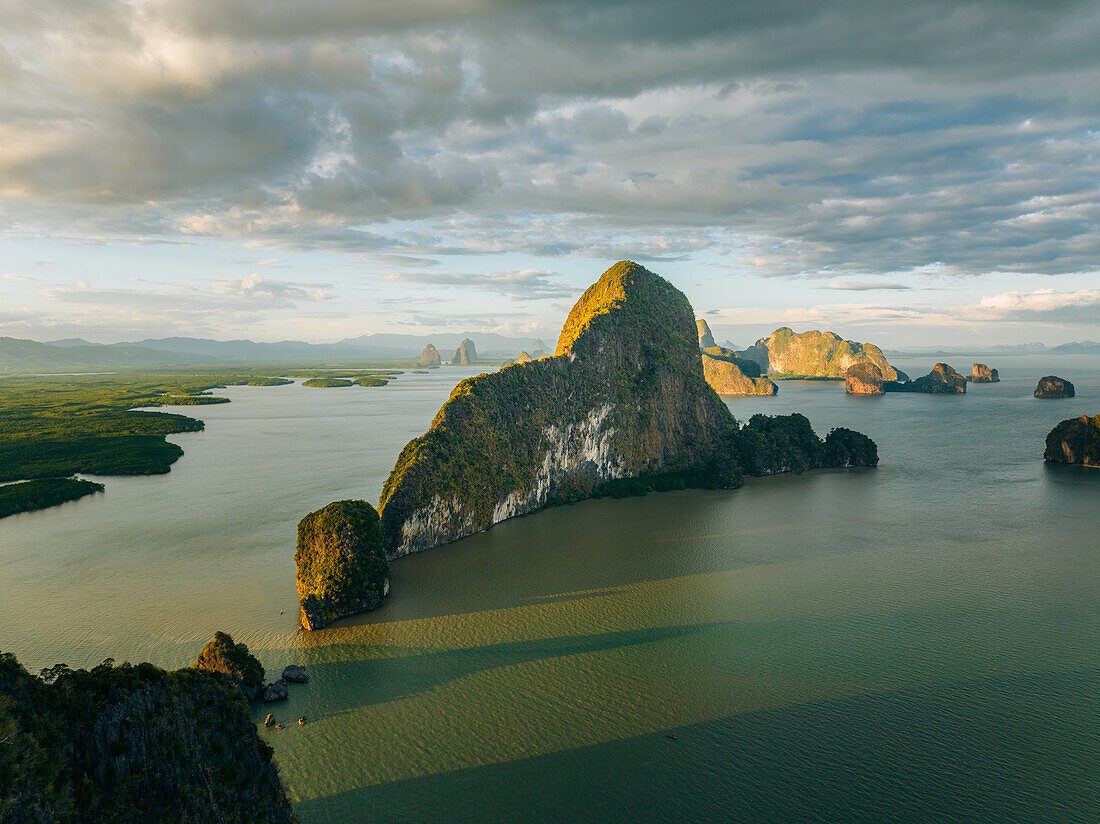
The landmarks, rooms, and views travelers on Phang Nga Bay Bioluminescent Plankton tours remember — all visible on a single visit.
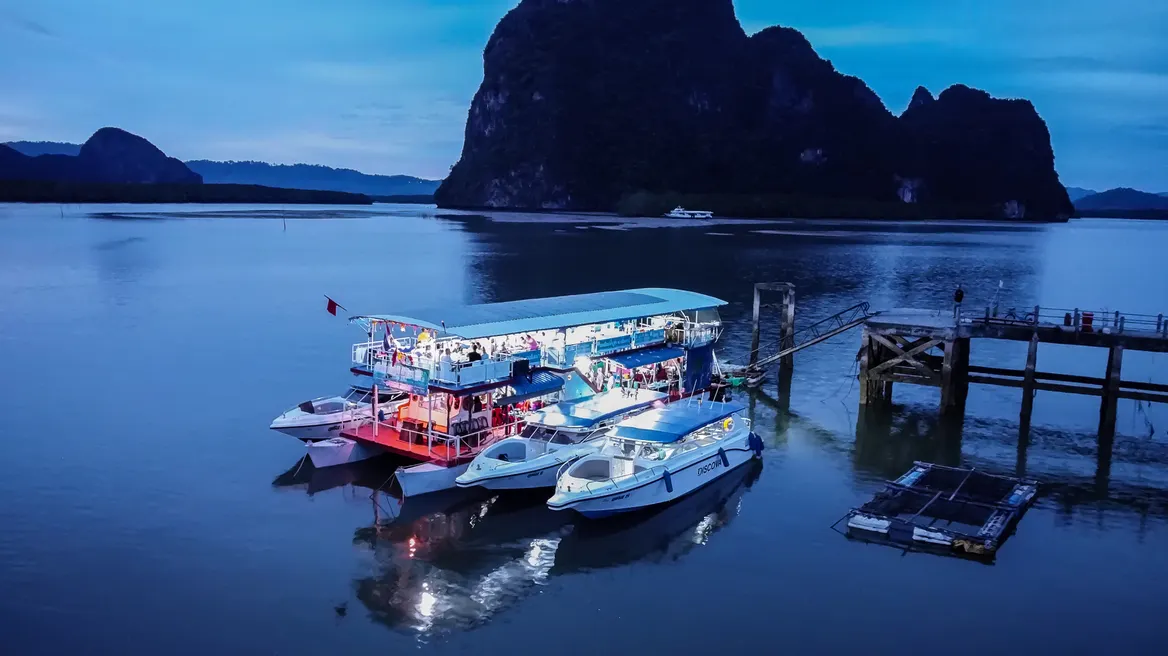
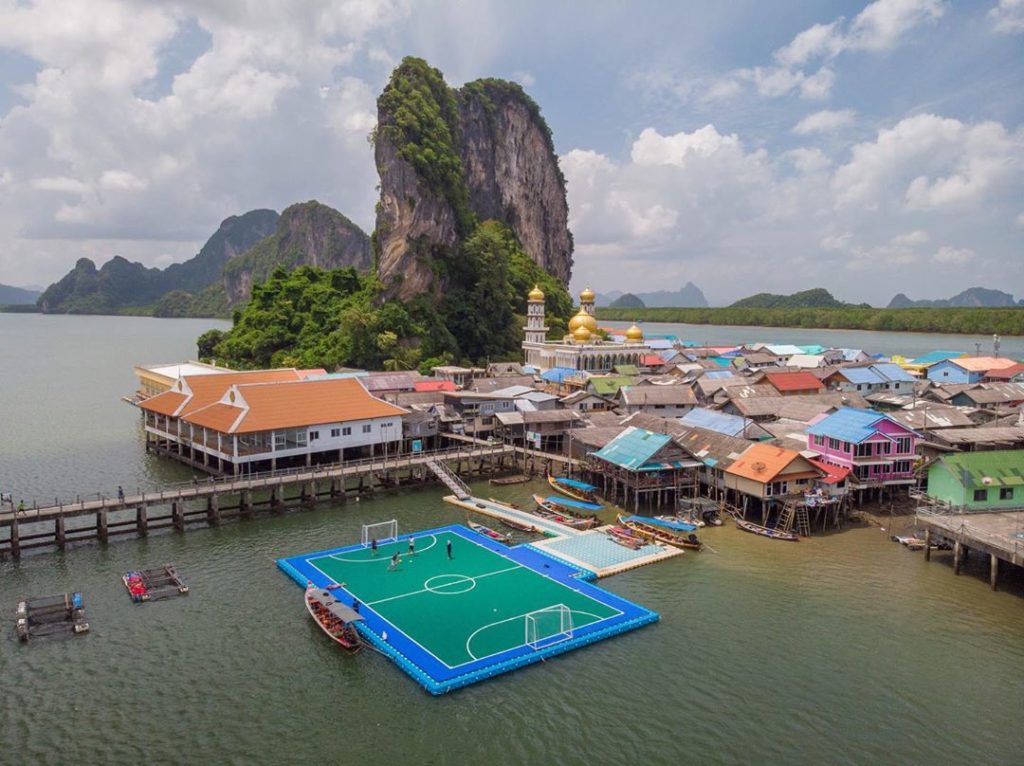
This historic community is built almost entirely on stilts over the water. Residents have maintained a distinct way of life here for generations.
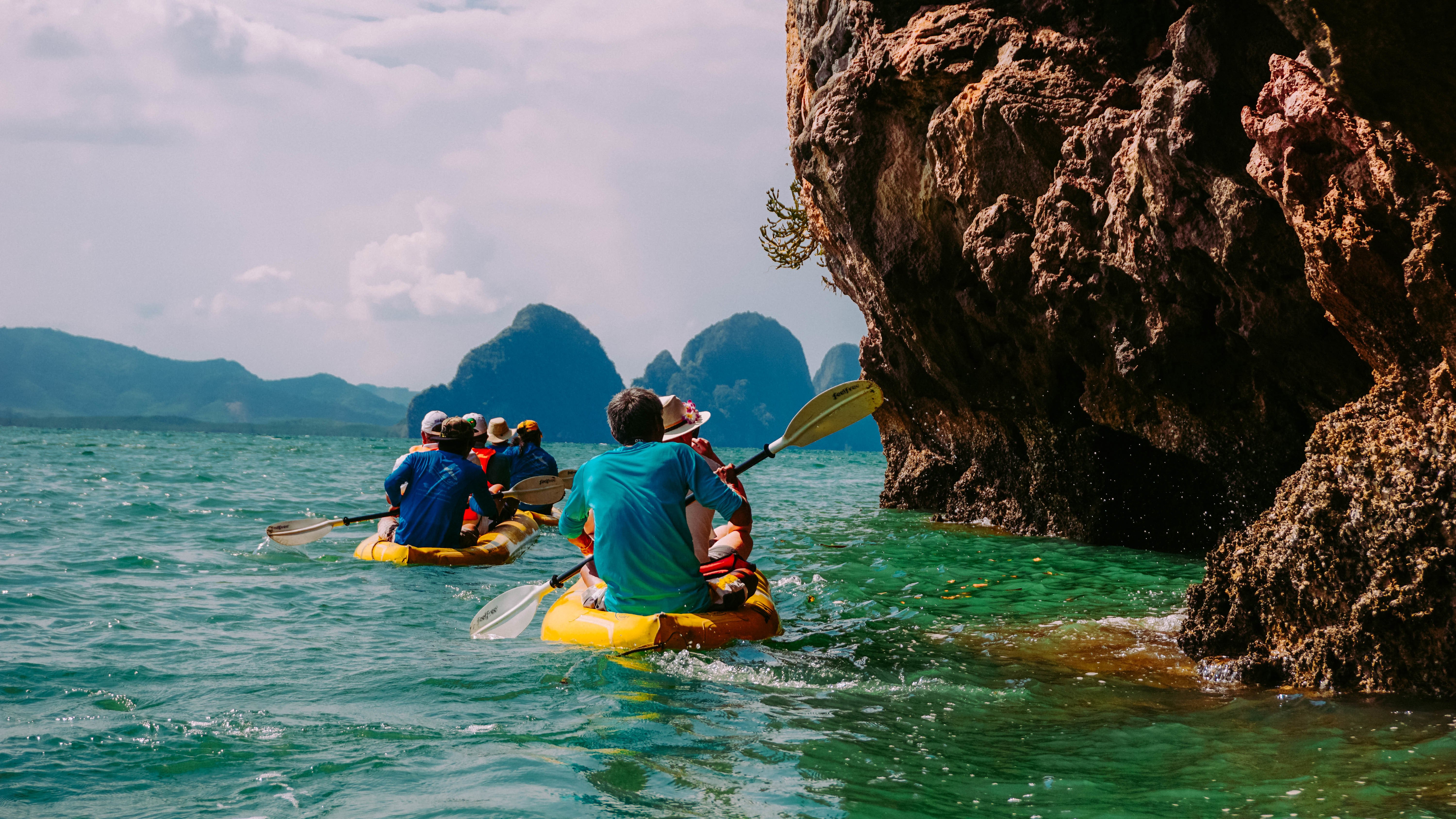
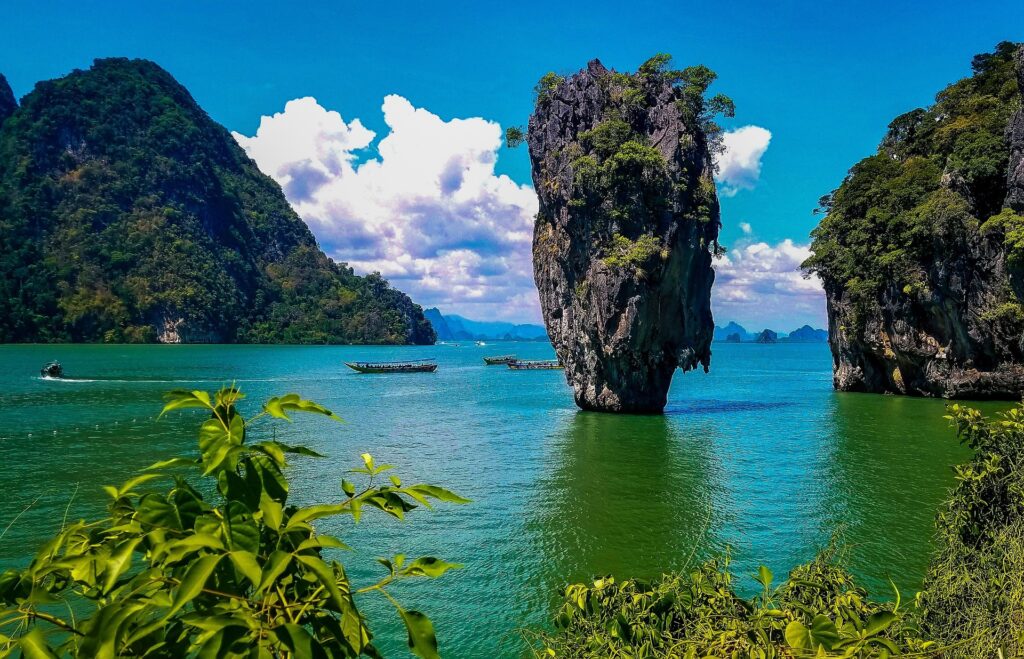
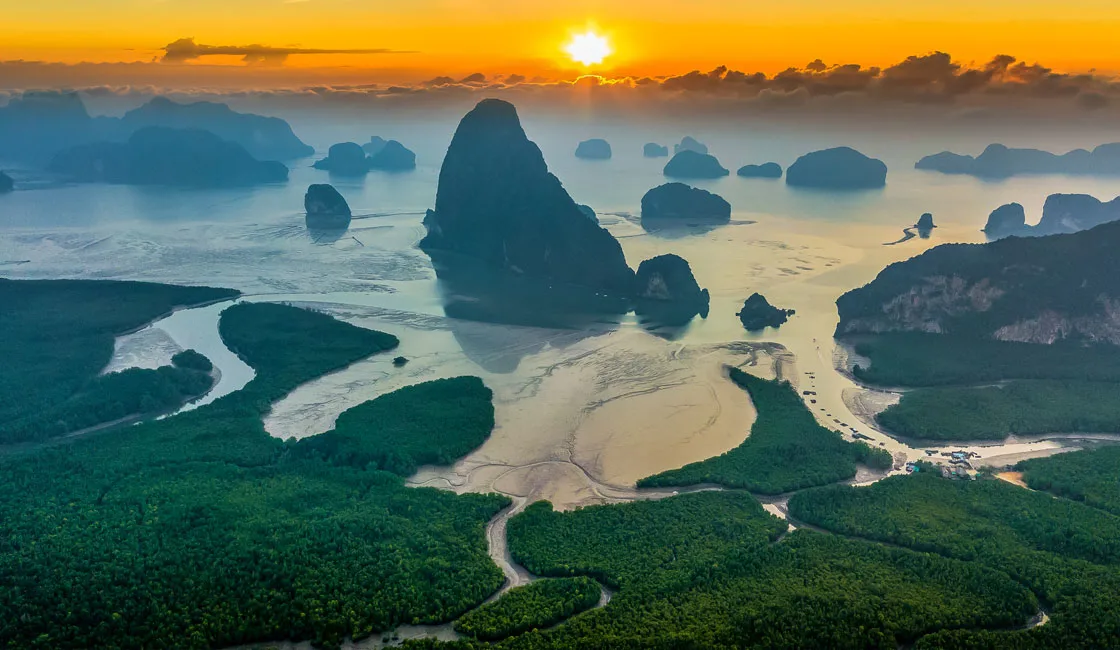
These massive geological formations reach hundreds of meters into the sky. They provide the sheltered, calm waters necessary for plankton development.
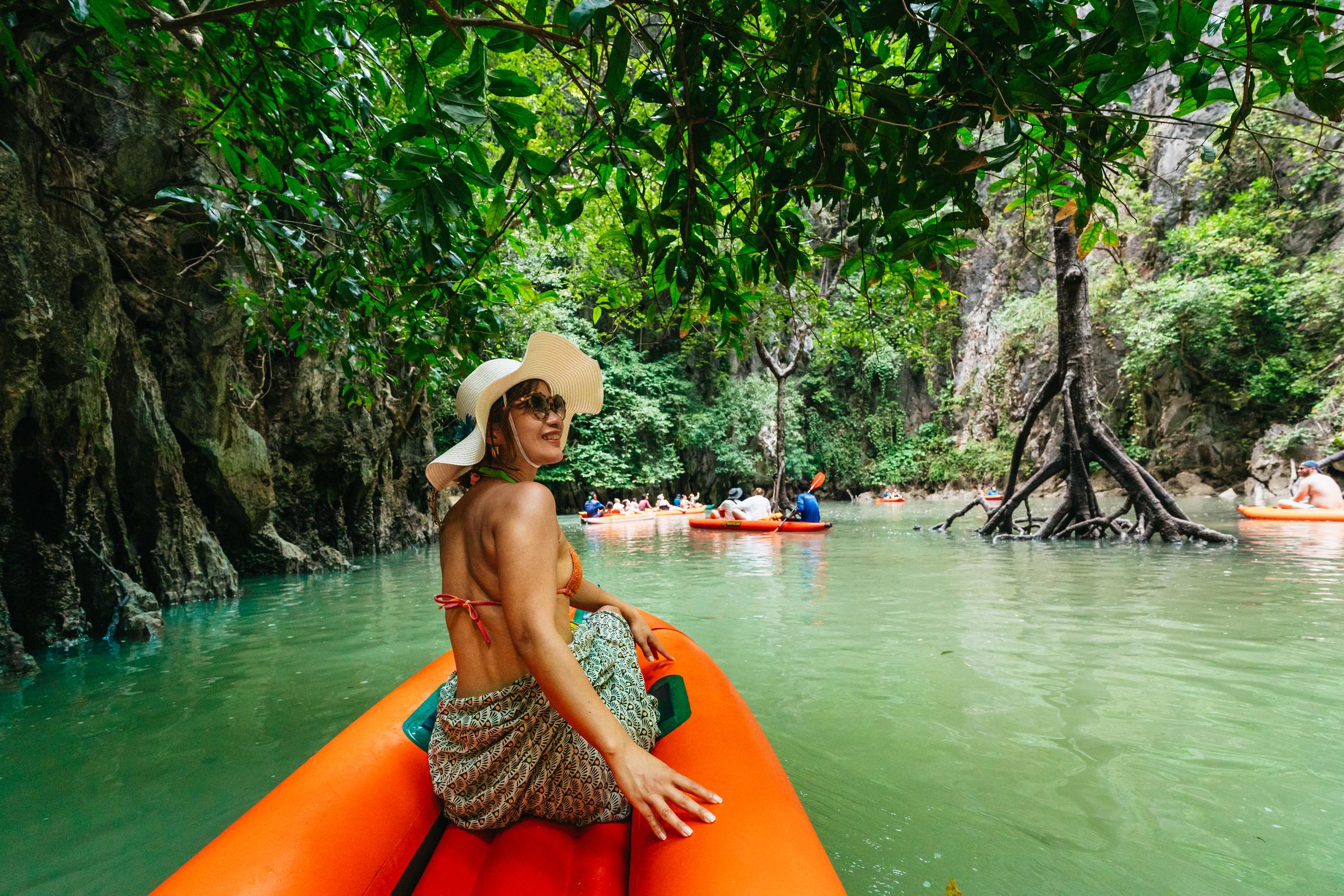
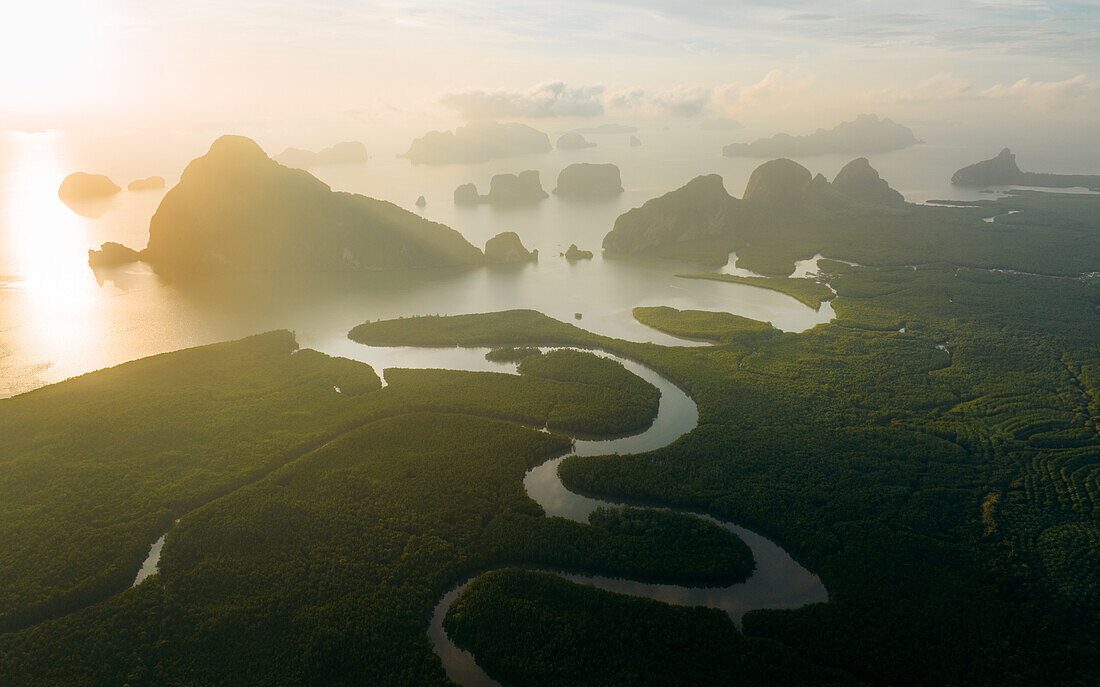
These dense root systems provide nursery grounds for local marine life. They are vital to the health of the entire bay area.
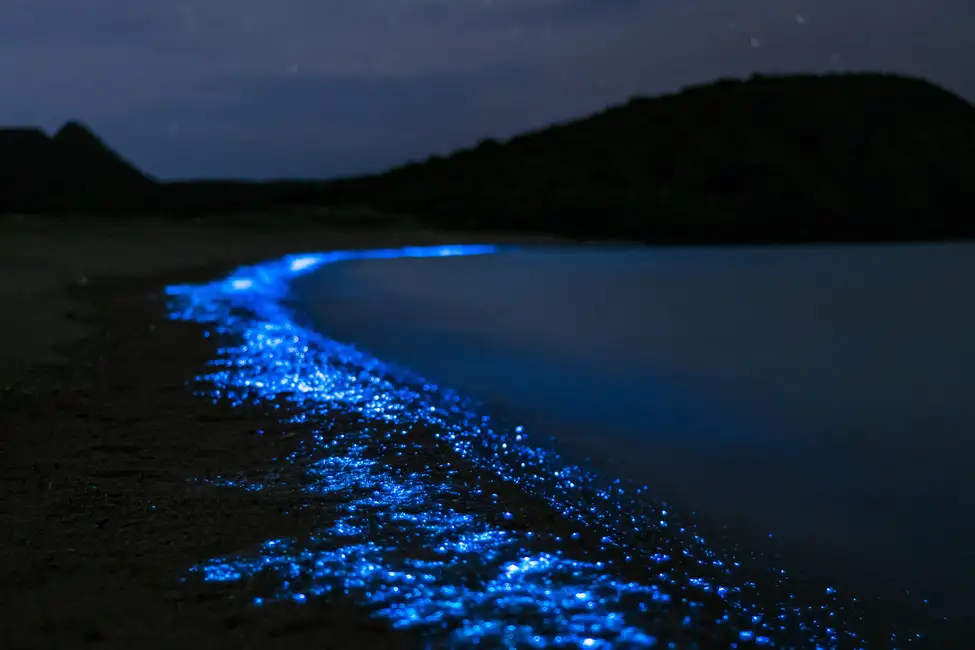
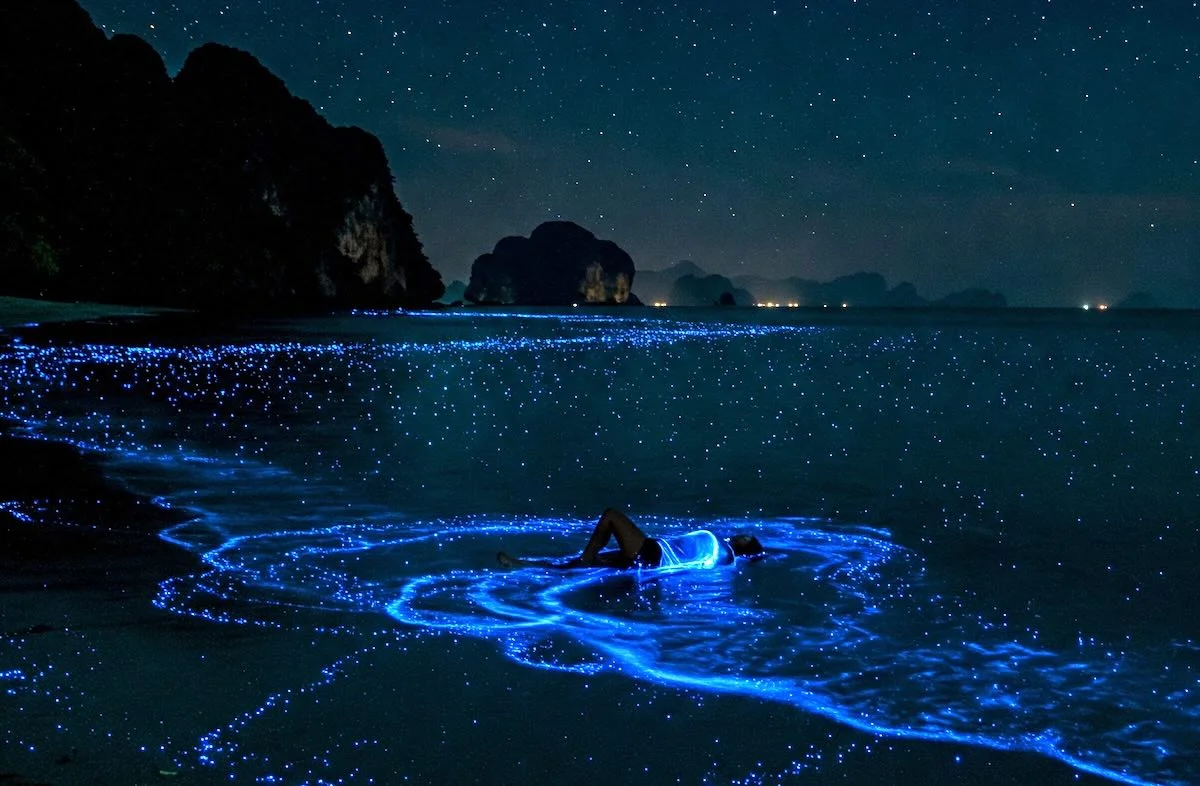
Specific quiet coves where the microorganisms concentrate in high numbers. These areas come alive with blue light when the water is disturbed.
Every Phang Nga Bay Bioluminescent Plankton tour side-by-side — duration, what's included, how you redeem.
| Experience | Duration | Rating | Pickup | Skip-the-line | Guide | Small group | Price | |
|---|---|---|---|---|---|---|---|---|
|
Guided Experience Most popular
Phang Nga Bay Bioluminescent Plankton & Sea Canoe Adventure
|
8 hr | ★ 4.8 | ✓ | ✓ | ✓ | ✓ | €77 | Book → |
|
Guided Experience
Phang Nga Bay Twilight Kayak & Bioluminescent Plankton
|
24 hr | ★ 4.9 | ✓ | ✓ | ✓ | ✓ | €94 | Book → |
|
Guided Experience
Starlight Hong Sea Cave & Glowing Plankton Kayak Adventure
|
10 hr | ★ 4.9 | ✓ | ✓ | ✓ | ✓ | €104 | Book → |
All prices from verified partners. Availability and exact terms confirmed at checkout.
These experiences offer distinct perspectives of the marine ecosystem; most visitors who do both find the evening experience more atmospheric while daytime tours excel at exploring the diverse limestone formations and emerald waters.
| Feature | Top pick Bioluminescent Tour | Daytime Island Hopping |
|---|---|---|
Primary focus |
Nocturnal marine life | Limestone formations and lagoons |
Best time of day |
17:00–19:00 | Morning and early afternoon |
Visual experience |
Low-light glowing plankton | High-contrast sea views |
Activity level |
Low intensity paddling | Moderate swimming and hiking |
Accessibility |
Requires calm night waters | Standard boat access available |
| See tickets → |
Verdict: Securing phang nga bay bioluminescent plankton tour tickets provides a sensory encounter with rare organisms, whereas daytime island-hopping remains superior for photography of iconic geology.
Choose your ticket, select your date, and reserve in under two minutes. Secure checkout handled by our verified partner.
Instant confirmation by email, with a mobile voucher you can save offline. No printing, no queuing at a collection desk.
Arrive at the entrance, show your voucher on your phone, and walk in. Most tickets include priority or skip-the-line access.
Practical details for Phang Nga Bay Bioluminescent Plankton tickets straight from our verified partners — hours, access, rules, and how to get there.
80 Moo 1, Baan Tadan, Koh Panyee, Phang Nga 82000, Thailand
Check in at the main kiosk
Open in Google MapsParking is available at the Baan Tadan Pier area for those driving to the phang nga bay bioluminescent plankton tour.
Private transfers from Phuket or Phang Nga Town are the most reliable method for reaching the pier.
Wear quick-drying clothing and water shoes suitable for boarding and disembarking at the phang nga bay bioluminescent plankton tour location. A light rain jacket is recommended for boat transfers.
Keep all personal belongings in a waterproof dry bag during your phang nga bay bioluminescent plankton tour. Security checks may occur at the pier before boat departure.
Use a tripod or steady surface for night photography, as the phang nga bay bioluminescent plankton tour requires long exposure settings to capture the light. Flash photography is discouraged as it reduces natural visibility.
The phang nga bay bioluminescent plankton tour involves stepping between boat platforms and docks which may be uneven. Please advise the operator of mobility requirements in advance to secure appropriate boarding assistance.
Ensure your mobile device is fully charged before departing for your phang nga bay bioluminescent plankton tour. Use a waterproof pouch to protect your electronics from sea spray.
Children are welcome on the phang nga bay bioluminescent plankton tour provided they wear life jackets at all times. The activity is best suited for older children comfortable with boat travel after dark.
Basic refreshments are typically provided on the phang nga bay bioluminescent plankton tour boat. Bringing your own refillable water bottle is encouraged to reduce waste in the marine park.
Pets are not permitted on any phang nga bay bioluminescent plankton tour due to safety regulations and the sensitive nature of the marine environment.
The phang nga bay bioluminescent plankton tour visibility depends on moon phases and weather conditions. Operators track local tides to optimize the experience for guests.
80 Moo 1, Baan Tadan, Koh Panyee, Phang Nga 82000, Thailand
Check in at the main kiosk
Get directionsBest time to go, insider tips, nearby landmarks, and the cancellation fine print — flip through to skim what matters to you.
How crowds, weather, and events shift across the year.
September offers a balance of manageable rain and darker evenings for the phang nga bay bioluminescent plankton tour.
From November to February, clear skies provide the best conditions for viewing glowing waters.
March and April are hot and dry, making them ideal for comfortable boat travel.
Rainfall is frequent, so monitor local weather updates closely if planning a visit during these months.
Small details that turn a good visit into a great one.
Bioluminescence is most visible during the new moon when ambient light is lowest. Schedule your trip during these dark nights for the best results.
Mangrove areas can have insects during sunset transitions. Apply repellent before you board the boat.
If you need to see in the dark, use a red light torch to minimize disruption to your night vision.
Even after sunset, the humidity remains high. Drink plenty of water before and during your excursion.
The plankton are sensitive organisms. Listen to your guide regarding where and when it is safe to interact with the water.
Non-bookable sights within a short walk — free to visit, easy to pair.
A historic floating fishing village built on stilts. Explore the local walkways and mosque structure.
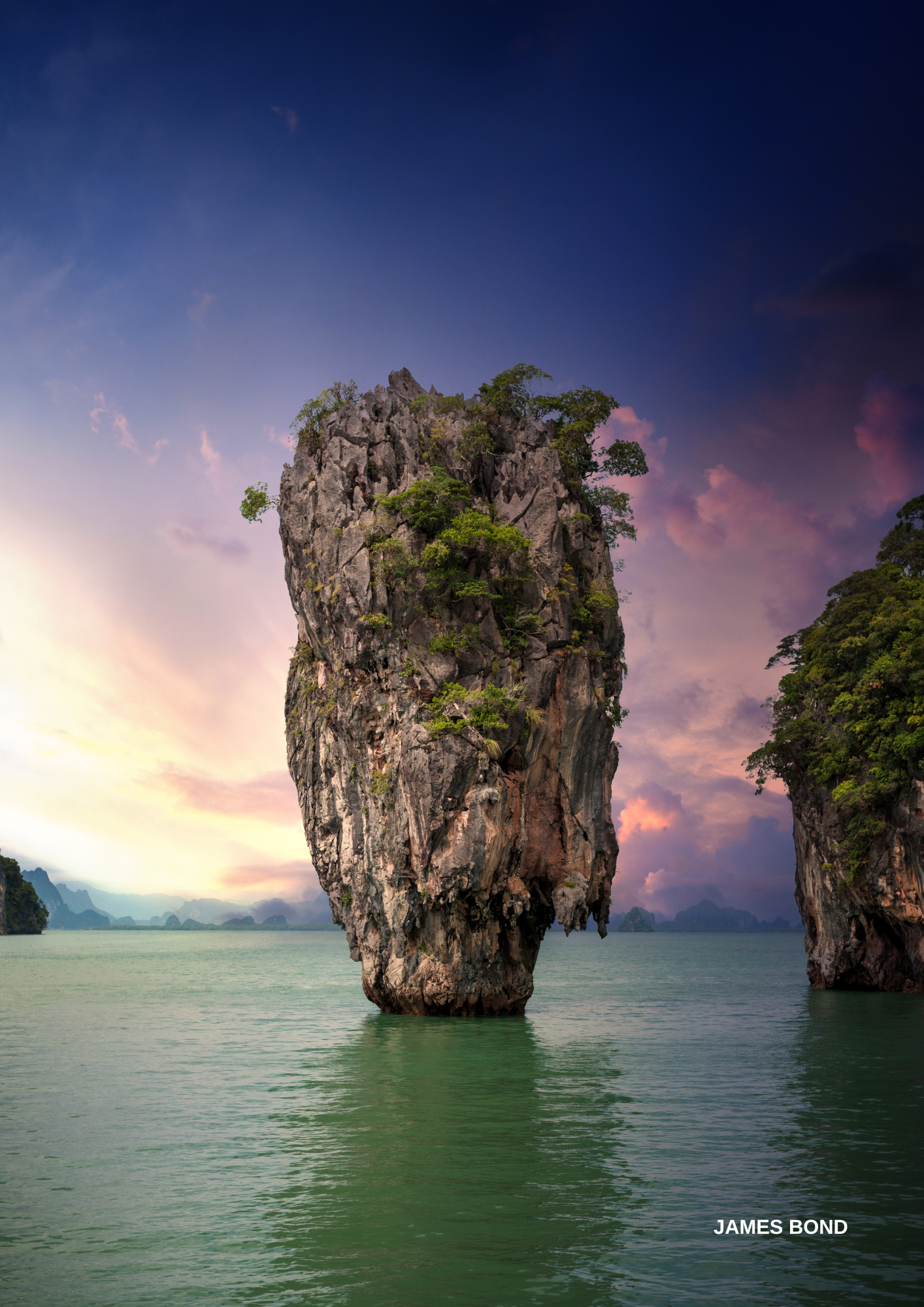
Famous limestone pinnacle known for its appearance in cinematic history. Access is strictly via guided boat tours.
A high vantage point offering expansive vistas of the bay. Best visited early in the morning.
Protected area encompassing over 40 islands and significant mangroves. Home to diverse local wildlife.
Flexible, no hidden fees.
Cancellations made 24 hours in advance receive a full refund. The 300 THB conservation fee is non-refundable if the tour operator has already processed entry documentation.
Hand-picked options within walking distance — pick a district for vibe, or a specific hotel for convenience.
Authentic local experience living with village residents.
Convenient access to the pier and local markets.
High-end amenities with organized tour pickup services.
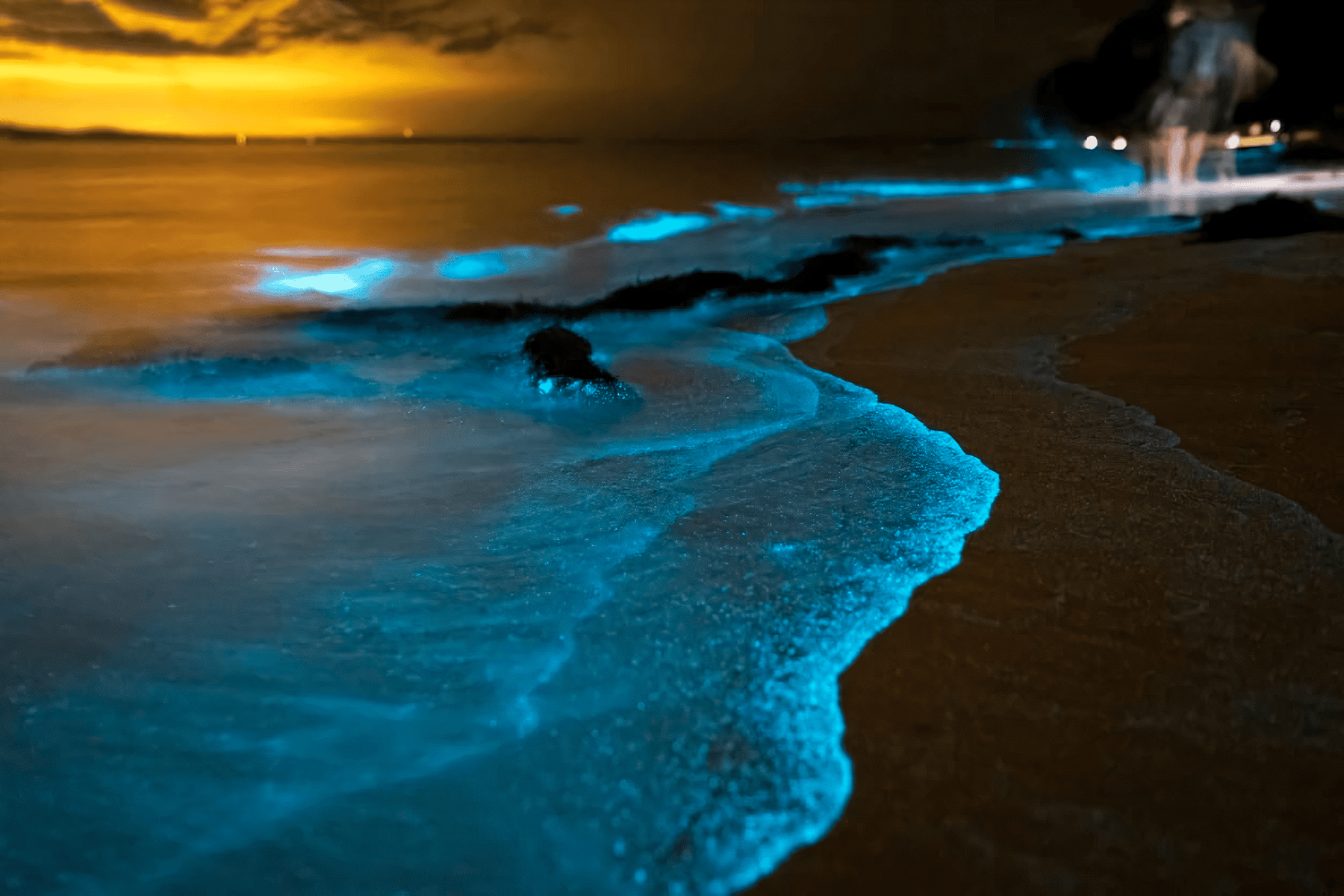
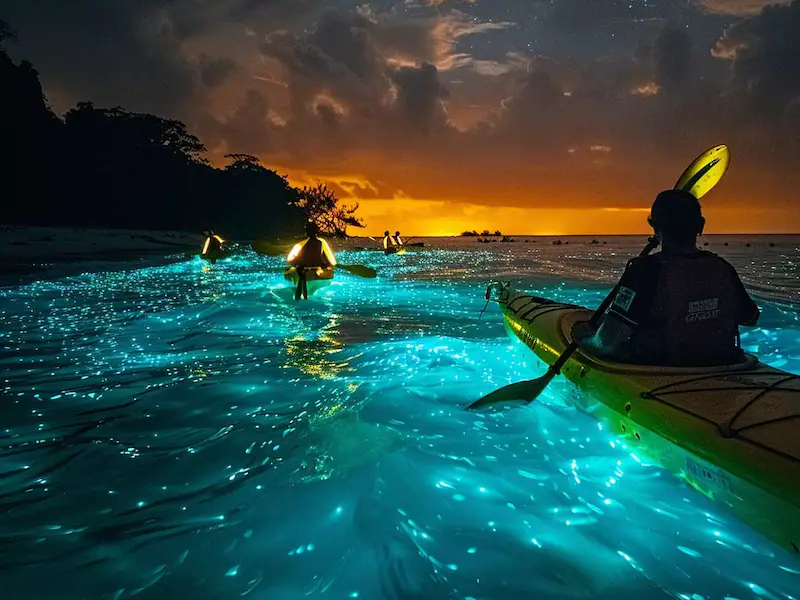
Dinoflagellates, single-celled organisms no larger than a grain of sand, transform Phang Nga Bay's sheltered mangrove channels into liquid constellations after dark. These microscopic plankton carry a chemical defense mechanism—luciferin and luciferase—that produces cyan-blue flashes when disturbed by movement.
The phenomenon peaks during Thailand's dry season, when nutrient-rich estuarine waters meet low wave action in the bay's protected limestone corridors. Scientific documentation of bioluminescent concentrations in Phang Nga Bay dates to marine surveys conducted in the 1980s, though local fishing communities have navigated by the glow for generations.
The bay's karst geography creates ideal conditions for sustained plankton populations. Vertical limestone cliffs rise three hundred meters from tidal flats, sheltering mangrove estuaries from open-ocean currents. Nutrients from decomposing mangrove leaves feed the microscopic food chain. Low light pollution—Koh Panyee village runs on solar panels and limited generator power—preserves darkness necessary for bioluminescence visibility. Conservation efforts introduced in 2018 restrict motorized boat traffic in designated plankton zones between 18:00 and 22:00, allowing kayak-based observation without propeller disruption to the delicate organisms.
Phang Nga Bay bioluminescent plankton tour operations launch from Koh Panyee, a stilted Muslim fishing village built entirely over water. The village serves as the gateway to Tham Lod cave systems and mangrove channels where plankton density reaches observable thresholds. Tour protocols follow marine biologist recommendations: no artificial lighting during paddle routes, single-blade paddle strokes to maximize disturbance surface area, and idle floating periods to observe natural fish movement through the glowing water. The 300 THB conservation fee funds mangrove restoration and water quality monitoring by Kasetsart University's marine science division.
Nocturnal wildlife adds layers to the experience beyond plankton. Mangrove pit vipers coil in aerial roots. Fiddler crabs emerge at low tide, their movements triggering miniature light trails across exposed mudflats. Fruit bats commute between limestone caves and mainland orchards, their wing beats occasionally sparking the water surface. The intersection of geological, biological, and cultural elements—ancient karst, microscopic chemistry, and centuries-old fishing tradition—creates an ecosystem experience that operates on multiple scales simultaneously, from the molecular flash of disturbed plankton to the monolithic presence of Thailand's oldest sedimentary rock formations rising into equatorial darkness.

"Nutrients from decomposing mangrove leaves feed the microscopic food chain that transforms the bay into liquid constellations after dark."
A step-by-step walkthrough of Phang Nga Bay Bioluminescent Plankton tickets — what you'll see, how long each stage takes, and the details that matter.
You arrive at Koh Panyee's wooden dock as daylight fades, the stilted village casting long shadows across emerald water. Your guide fits you with a life vest and assigns a two-person kayak, its hull rocking gently against rubber fenders.
The group paddles southwest into a mangrove channel, limestone walls narrowing overhead until the sky becomes a ribbon. Silence replaces engine noise. Darkness thickens.
Your first paddle stroke through black water produces a shock—cyan sparks trail from the blade, a comet tail that fades in two seconds. You drag your hand through the surface and watch your fingerprints glow. The guide instructs everyone to stop paddling. In the stillness, you see fish darting beneath the kayak, each movement drawing neon contrails. A school passes underneath, fifty individual light paths weaving through each other like highway traffic filmed from above. You slap the water with your palm and the impact site erupts in electric blue, a firework frozen at its peak.
The guide leads you deeper into the mangrove maze, where roots descend into the water like cage bars. Every paddle stroke, every inadvertent splash, triggers the same chemical reaction. You pass under a low limestone arch, and on the other side the channel opens into a lagoon ringed by karst towers. Here the water is calmer, the plankton undisturbed until your group arrives. You float for ten minutes in the center, occasionally stirring the surface to watch physics and biology converge in cold light.
The site operates from 09:00–19:00 daily.
Yes, there is a 300 THB conservation fee per person for the phang nga bay bioluminescent plankton tour.
The best arrival window is 17:00–19:00 to ensure enough darkness after sunset for the glow to be visible.
Small snacks are usually fine, but please ensure you take all trash with you to protect the phang nga bay bioluminescent plankton tour environment.
Yes, families are welcome on the phang nga bay bioluminescent plankton tour, provided children wear life jackets at all times.
Operators typically reschedule or refund the phang nga bay bioluminescent plankton tour if conditions make water travel unsafe.
There are generally no secure lockers at the pier, so keep valuables in a dry bag during your phang nga bay bioluminescent plankton tour.
Wear lightweight, quick-drying clothing and secure footwear appropriate for the phang nga bay bioluminescent plankton tour.
Yes, but use long exposure settings on your camera because the light from the phang nga bay bioluminescent plankton tour is subtle.